Ketone Ester After Workouts Doubled VO2peak Gains in Cyclists
A ketone monoester drink taken after workouts and before bed helped trained cyclists produce about 4% more power in a 30-minute time trial after eight weeks. Their VO2peak gains also doubled, rising 12% versus 6% on placebo. Muscle tests showed 14% higher citrate synthase and a 25% rise in OXPHOS complex II, while heart adaptations were unchanged. The KU Leuven trial is small, included only men and the supplement is costly, so the results are promising rather than proven. Here is what the study found and what it means for your training.
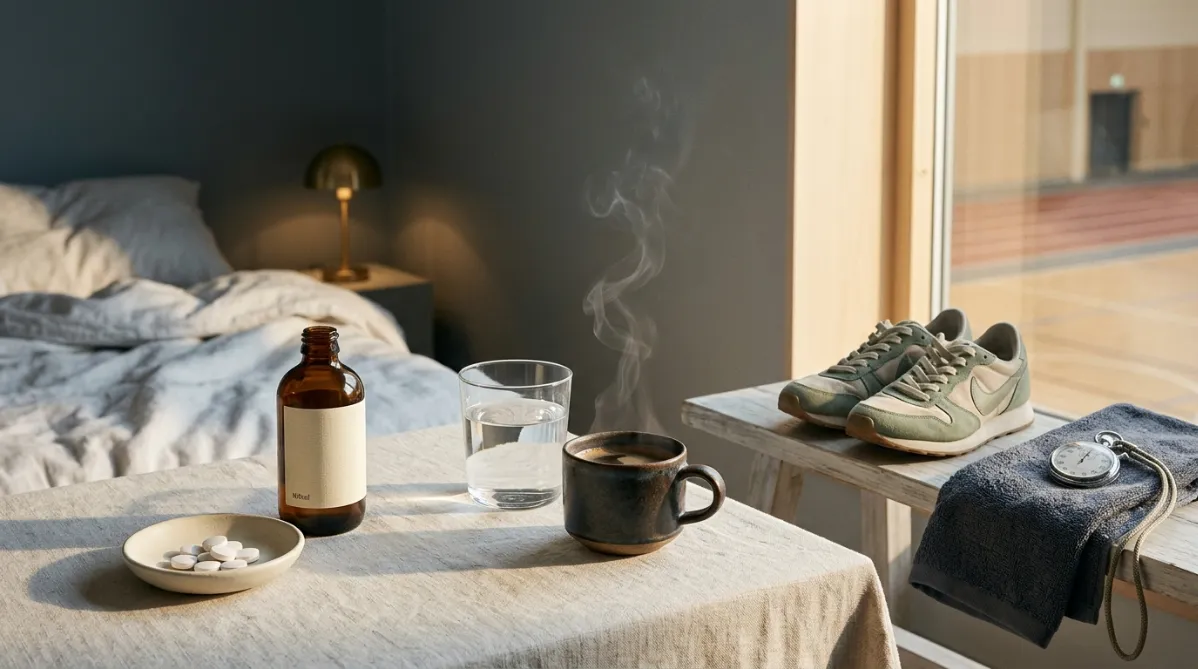
Melatonin Then Caffeine: Only the Combo Cut Muscle-Damage Markers
Caffeine made trained men run farther in a shuttle test, but only the melatonin-plus-caffeine stack also lowered muscle-damage and inflammation markers. The protocol was 6 mg of melatonin before bed, then 3 mg/kg of caffeine an hour before testing. Melatonin did not change measured sleep, which makes the result even more curious. The study was a small crossover with 14 trained males and a single performance test, so the findings are early. Here is what was tested, who it might suit, and what it does not prove.
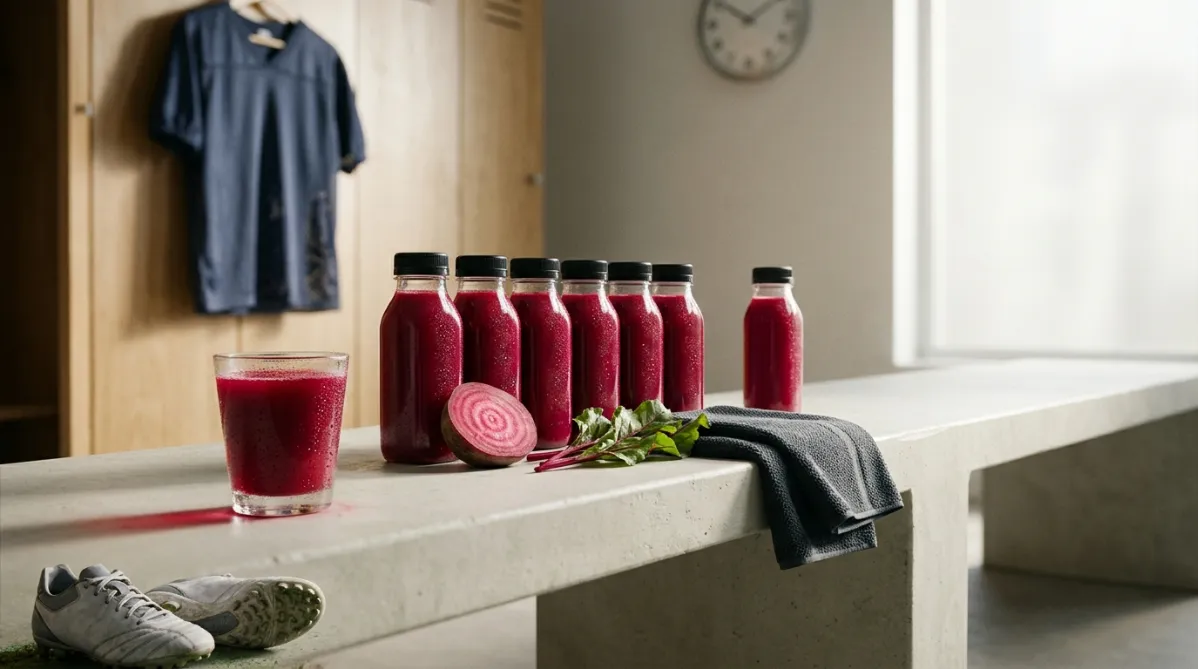
Beetroot Juice for Team Sports: Why One Pre-Game Shot Falls Flat
That red shot in the locker room might not be doing what you think. A new meta-analysis of 24 trials in team sport athletes found beetroot juice and dietary nitrate give small but real benefits, mainly in team sport-specific tasks (g = 0.143, moderate certainty). The best-supported approach is multi-day loading with a final dose 2-3 hours before exercise, while single pre-game doses showed no clear effect. Single sprints, most metabolic markers, and cardiorespiratory responses didn't improve, and no clear dose-response emerged. Here's who should try it, who should skip it, and why the chronic-versus-acute story is shakier than it looks.
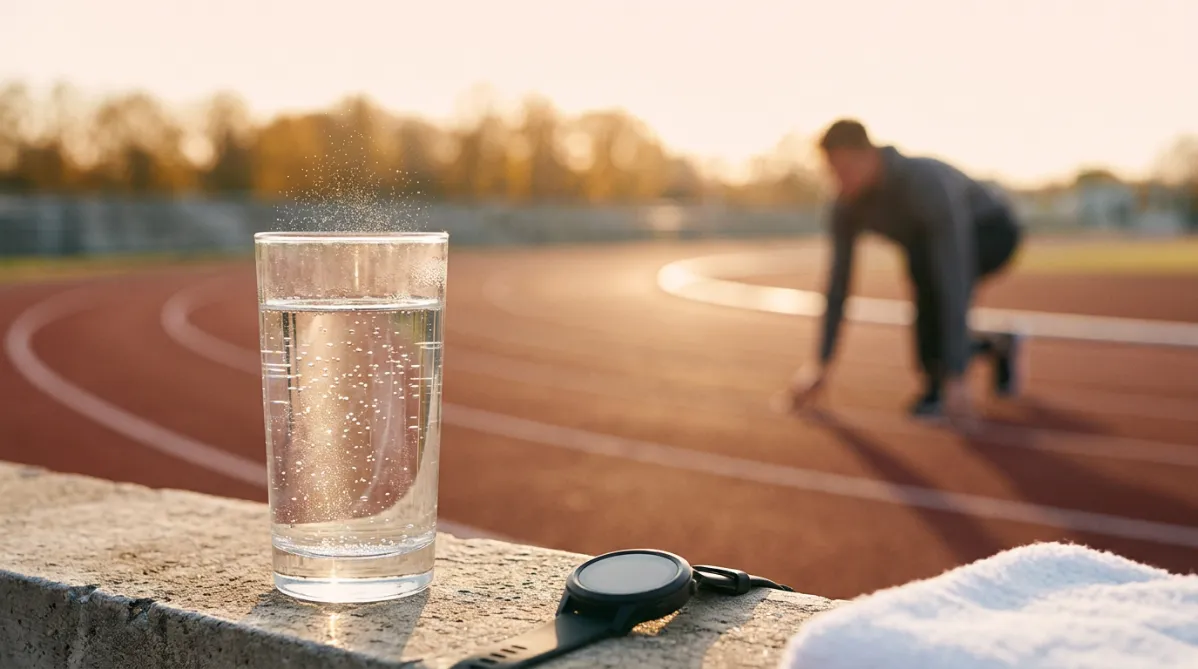
Hydrogen Water Before Sprints: Power Held Up and Recovery Sped Up
A single 280 mL glass of hydrogen-rich water, drunk about a minute before all-out sprints, kept power output higher in a new crossover study. Athletes also showed faster heart rate variability recovery afterward, and blood lactate was about 1 mmol/L lower at 3 minutes post-exercise. But the study had just 13 men, was only single-blind, and tested one acute dose. Here's what the researchers found, how they dosed it, who it might suit, and why you should stay skeptical.
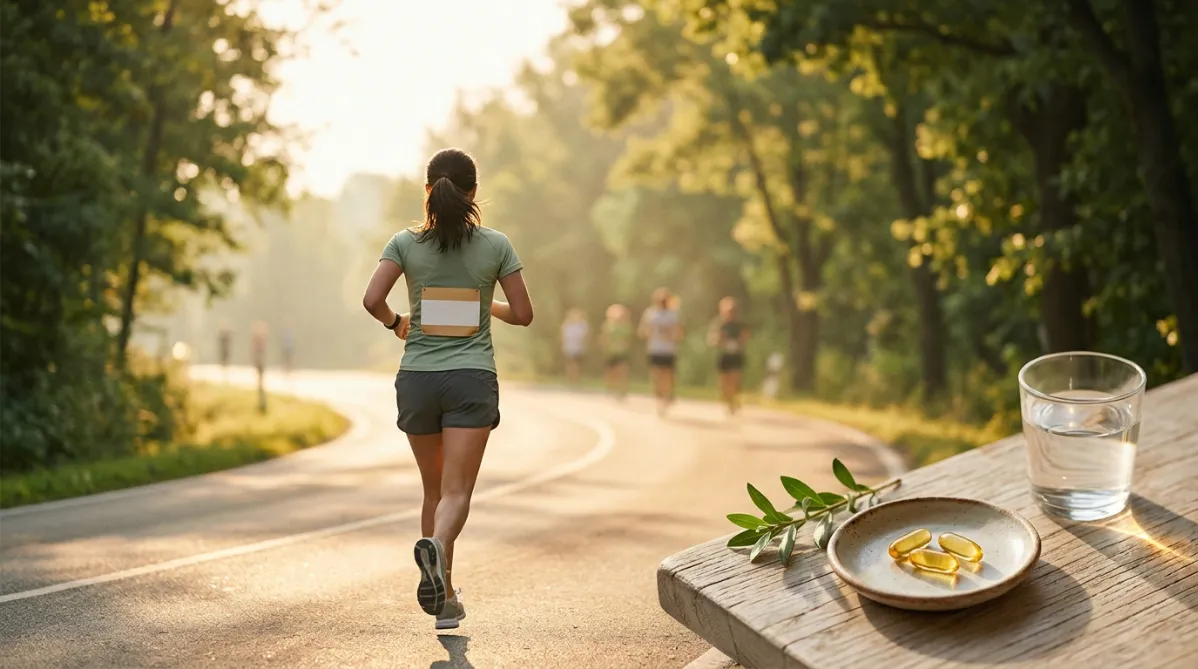
Runners on Vitamin D3 Had Lower Heart-Stress Markers After 42 km
Marathoners who took vitamin D3 for 8 weeks had lower CK and CK-MB 24 hours after racing 42.195 km than runners on placebo. Protein carbonyls, a marker of oxidative damage, also rose less in the vitamin D group. But the trial was tiny (n=21), single-blind, and only some markers differed. Immune effects were purely descriptive, and CK-MB is a stress biomarker, not proof of heart damage. Here is what the study shows, who might benefit, and who should skip it.
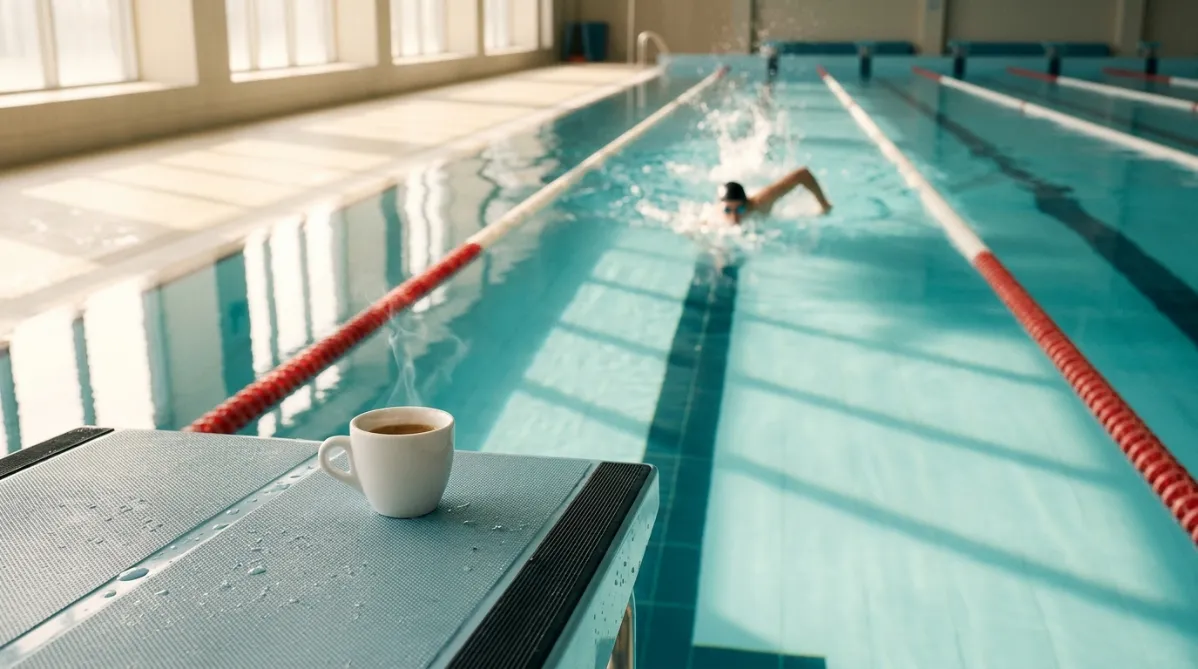
Caffeine Makes Swimmers Faster, But by Less Than You'd Think
Swimmers have swigged coffee before races for years, but does it actually make them faster? A new multilevel meta-analysis of 13 crossover trials puts the gain at about 1.7%, a meaningful margin in a sport decided by hundredths of a second. The surprise is in the details: the clearest benefit appeared at 6 mg/kg or more, while lower doses did not show a convincing effect. Caffeine also raised post-race blood lactate, and results varied widely between studies. Here is what the evidence supports and what it leaves open.
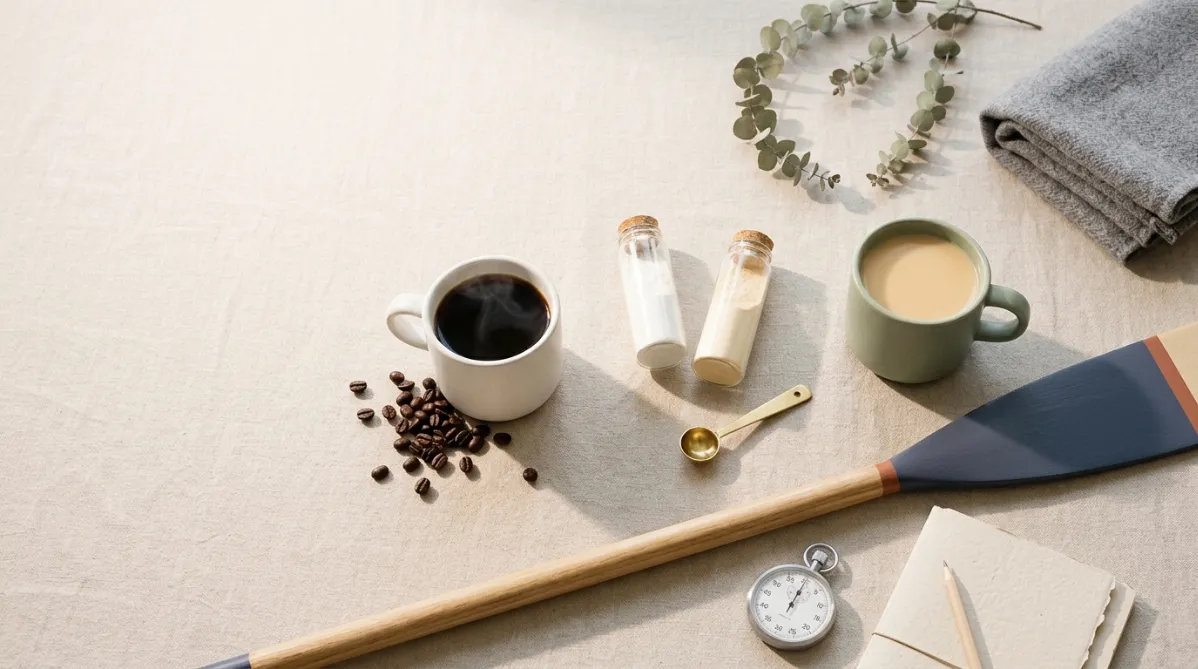
Paraxanthine vs Caffeine: The Combo That Won, and the Sleep-Saver
Paraxanthine, caffeine's main metabolite, just went head-to-head with caffeine in a trial of 14 rowers. The combo of 200 mg each beat placebo on a 2000-m row, but only with a small effect (d = 0.30). Neither compound alone clearly improved performance. Paraxanthine alone, however, looked friendlier to subjective sleep. Here are the numbers, the limits, and who might actually benefit.
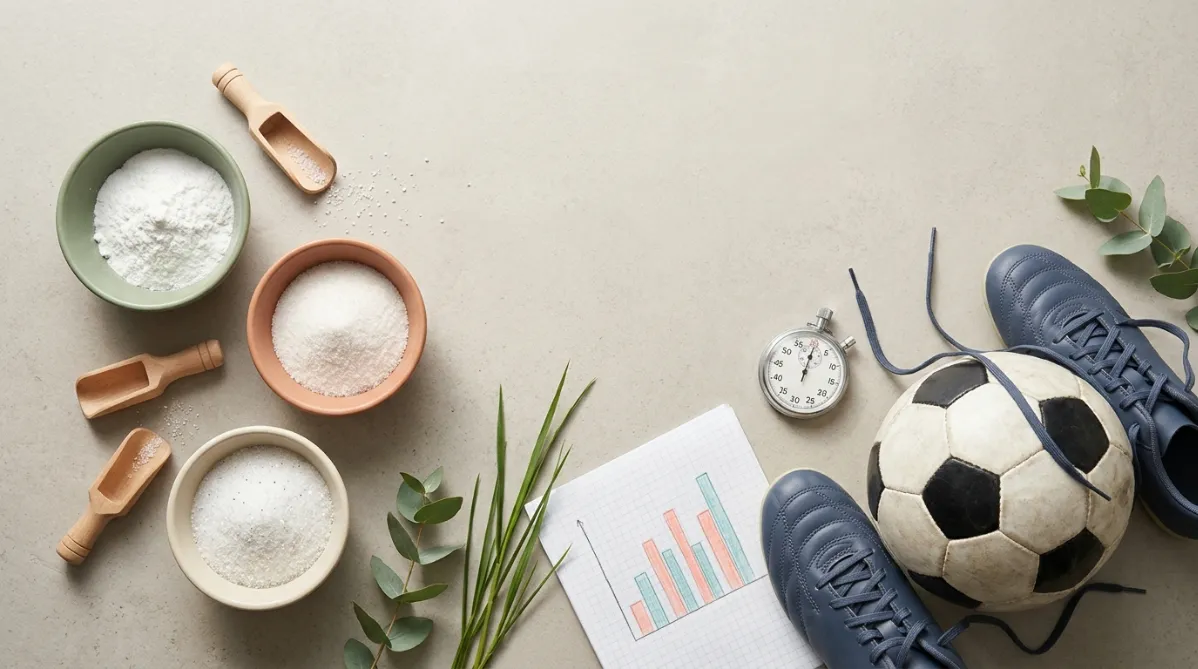
Creatine HCl Beat Monohydrate in Soccer Players—Don't Toss Yours Yet
A new randomized trial in 40 soccer players found that creatine HCl and ethyl ester out-gained plain monohydrate on jump, sprint, agility and peak power after just four weeks. Every creatine form beat placebo, but the "fancy" versions pulled further ahead on the explosive measures. Before you swap tubs, though, the study has just 10 athletes per group, no reported doses in the abstract, and a result that clashes with earlier research. Here is what it showed, what it did not, and how to think about it.
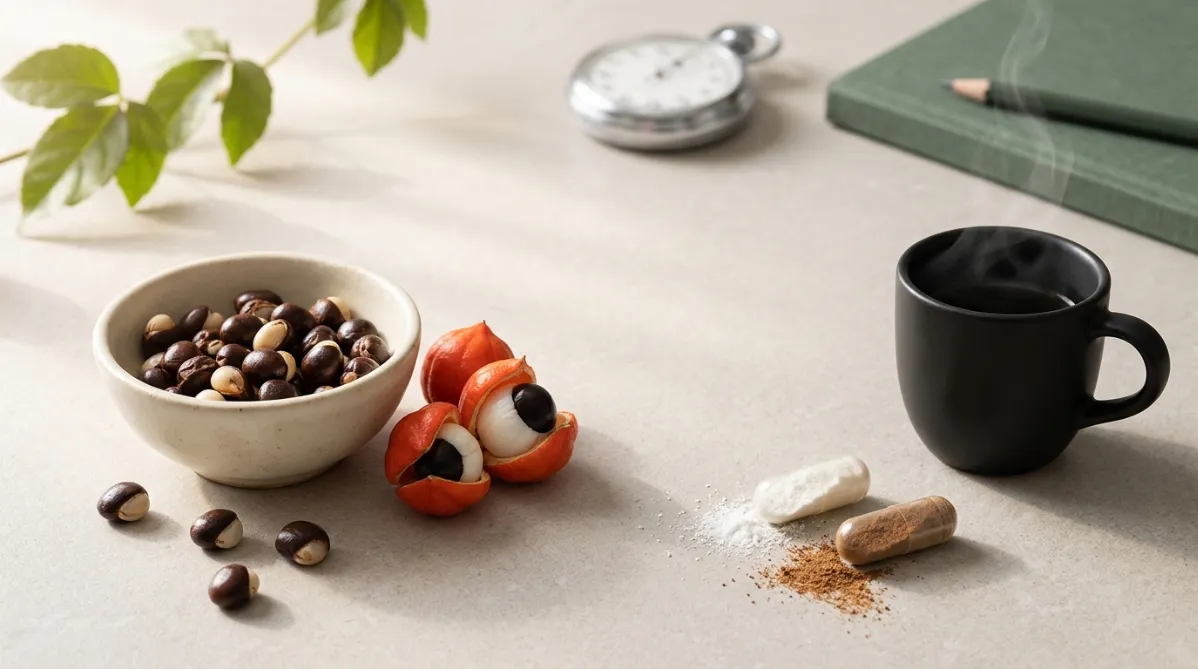
Guarana vs Caffeine: Same Dose, Only Guarana Lifted Peak Power
Same caffeine dose, different capsule, and only guarana produced a statistically significant boost in peak power. In a randomized crossover trial of 18 active men, guarana raised peak power output by 4.0% over placebo while anhydrous caffeine did not reach significance. But here's the catch: guarana didn't significantly beat caffeine head-to-head, and the differences between them were only descriptive. Here's what the numbers show, where the study falls short, and how to dose guarana by caffeine content if you want to try it.
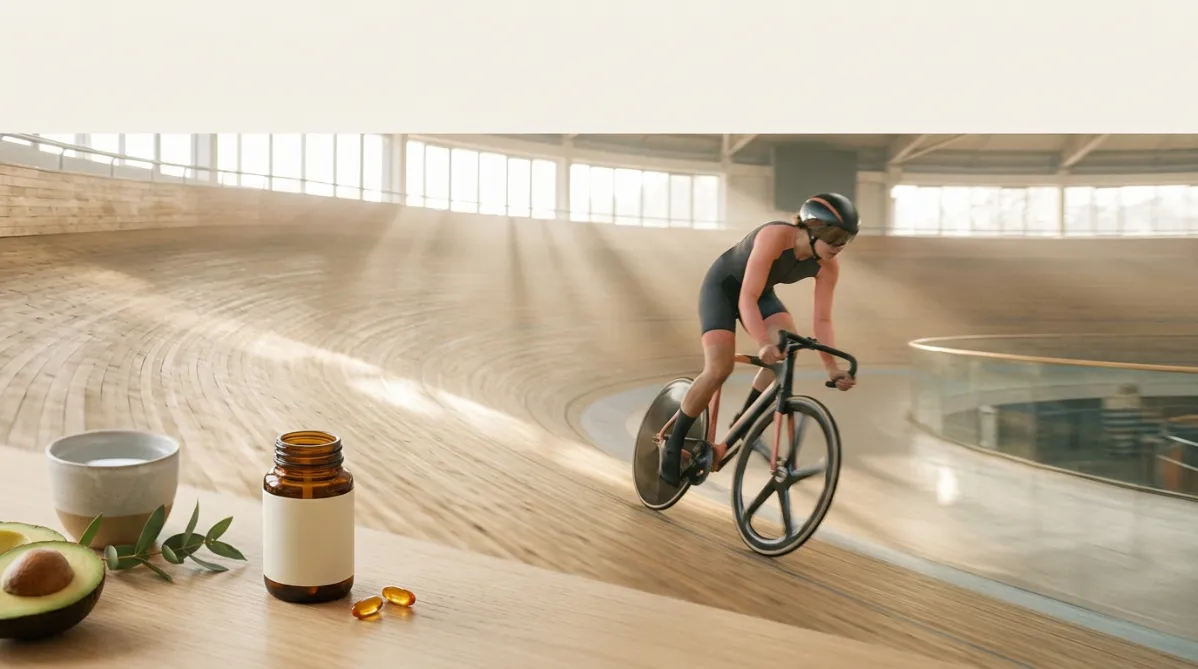
Olympic Hopefuls Took 300 mg Ubiquinol: The 2.5% Power Edge
In a double-blind study of 100 athletes preparing for the London 2012 Olympics, everyone got stronger on the bike, but the group taking 300 mg of ubiquinol improved more: +11% versus +8.5% on placebo. That roughly 2.5% edge was statistically significant, yet the study has caveats, including uncontrolled training and industry ties. We break down ubiquinol versus ubiquinone, what the numbers mean, and why the gap could matter to an elite cyclist but not to a recreational lifter. Plus: dosing, timing with fat, who should talk to a doctor first, and whether the cost is worth it.
Astaxanthin for 4 Days Boosted Cycling Time-to-Exhaustion From 72 to 85 Minutes in a Small Trial
Four days of astaxanthin at 28 mg/day lengthened cycling time to exhaustion from about 72 to 85 minutes in a small randomized trial, a gain of roughly 18%. The same protocol blunted rises in muscle damage markers (CK and LDH) and lipid peroxidation (MDA) after a hard ride at 75% VO2max. Inflammation markers and fuel use did not change, so the mechanism is still unclear. The dose is also well above what many softgels provide, and the study had just ten young men. Here is what the numbers show and where the evidence stops.
Does Beta-Alanine Work? A Meta-Analysis Says Yes for Efforts Lasting 60–240 Seconds
Beta-alanine has long been marketed as a way to push back against the burn of hard exercise, but does it deliver? A meta-analysis of 15 studies and 360 participants found a real but modest benefit, with an estimated median gain of 2.85%. The effect was clearest for efforts lasting 60–240 seconds, was smaller beyond four minutes, and did not appear for sprints under a minute. The article also covers the commonly used loading approach of 3.2–6.4 g per day for four or more weeks, how splitting doses can reduce tingling, and which athletes stand to gain most.